How to Prepare Your Pickleball Paddle: The Ultimate Pre‑Tournament Maintenance Checklist
Introduction
Every competitive pickleball player understands that a well‑maintained paddle can be the difference between a winning shot and a missed opportunity. This guide will teach the reader how to inspect, clean, and optimise a paddle before a tournament, ensuring consistent performance and reduced risk of equipment failure. The reader will learn a systematic checklist that covers surface cleaning, grip replacement, balance verification, and final performance testing. By following these steps, one can approach the court with confidence, knowing that the paddle will respond predictably under pressure.
What You’ll Need
- A soft microfiber cleaning cloth
- Mild soap or specialised paddle cleaner
- Full Choice Pickleball Grip Tape (2‑pack)
- Scissors or a precision cutter
- Rubber‑capped hammer (optional for balance testing)
- Flat, well‑lit work surface
- Protective gloves (optional for skin sensitivity)
Step 1: Inspect the Paddle Surface
The first step is to examine the face of the paddle for scratches, dents, or delamination that could affect ball control. Hold the paddle under bright light and rotate it slowly, looking for any irregularities along the raw carbon fiber textured surface. If minor scratches are present, they can be smoothed with a fine‑grit sandpaper, but deep gouges may require professional repair or replacement. This inspection is essential because surface imperfections alter friction, reducing spin potential and precision.
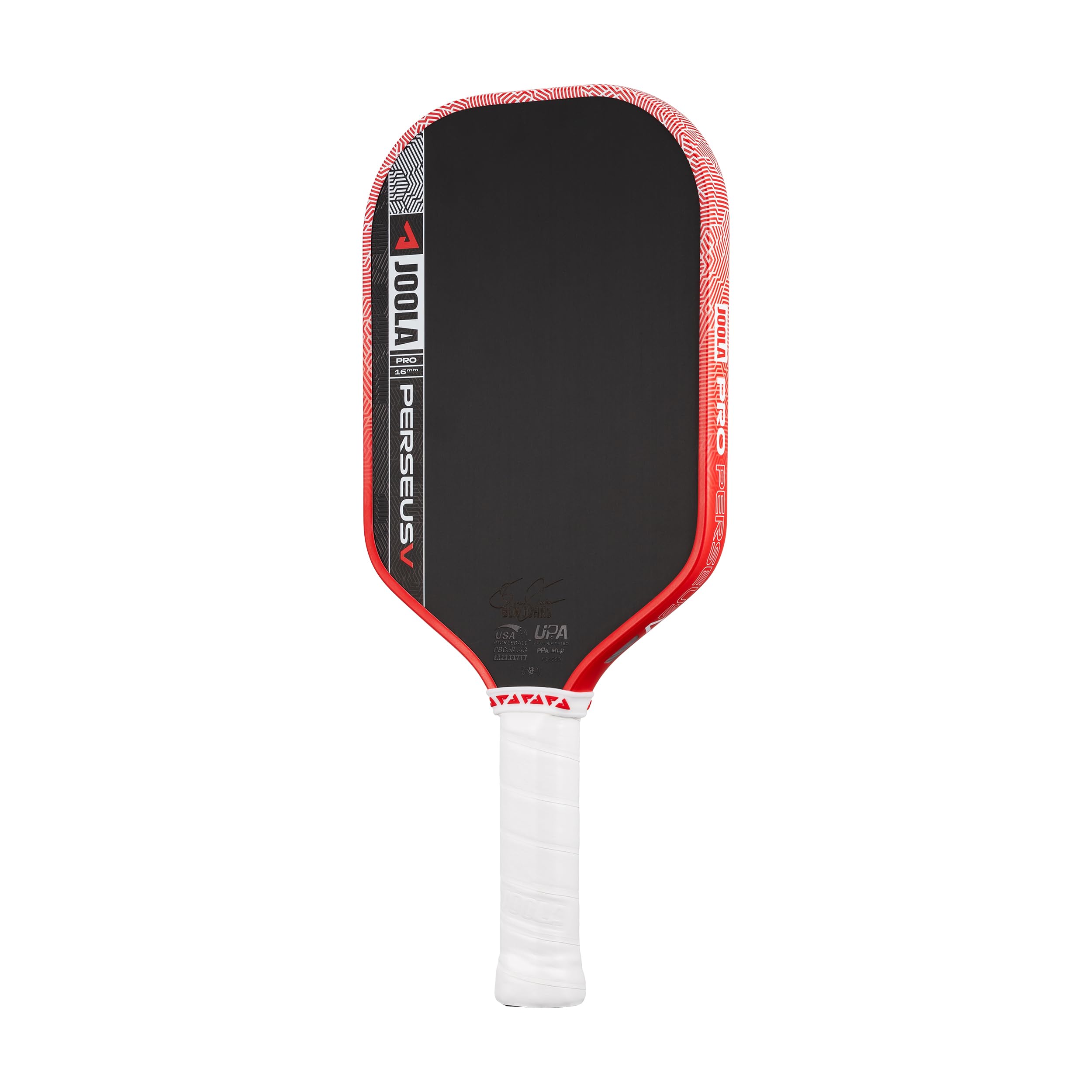
When a new paddle is required, the JOOLA Pro V Pickleball Paddle offers a premium solution. Its reinforced carbon fiber textured face provides a high‑friction finish that grips the ball for explosive power and precise control. Priced at $279.28, the paddle holds a 4.4‑star rating from 198 reviews, indicating strong user satisfaction. The KineticFrame technology adapts to the swing, delivering power without sacrificing forgiveness, making it an ideal choice for tournament play.
Step 2: Clean the Paddle Face
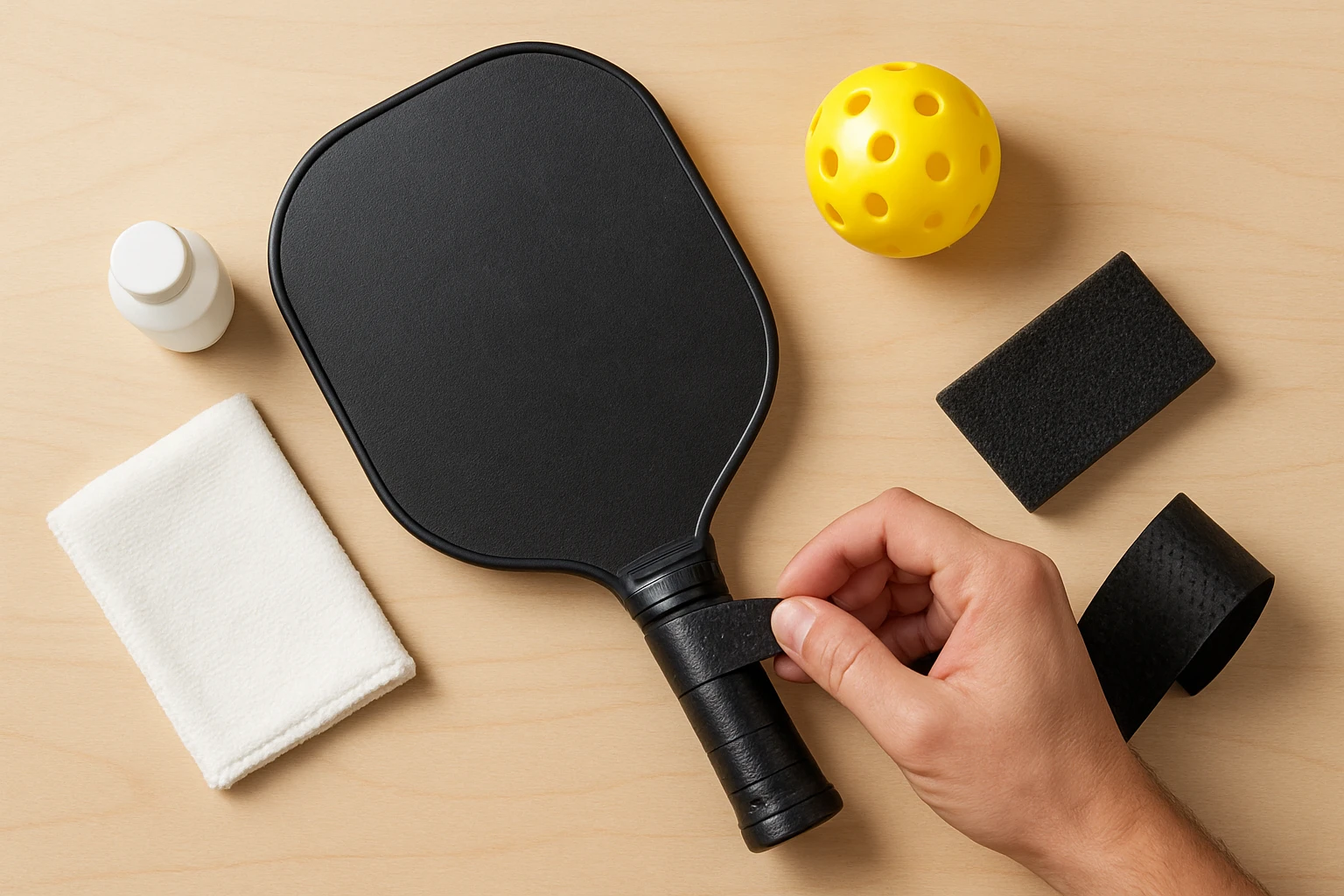
After inspection, remove dust and residue using a soft microfiber cloth lightly dampened with mild soap and water. Gently wipe the surface in circular motions, avoiding excessive pressure that could damage the carbon fiber weave. Rinse the cloth with clean water and repeat the motion to eliminate any soap film, then dry the paddle thoroughly with a separate dry cloth. A clean face ensures that the ball makes consistent contact, preserving the intended spin and speed.
For players who prefer a specialised cleaner, a few drops of a paddle‑specific cleaning solution can be mixed with water; however, the mild soap method is sufficient for most situations. Avoid abrasive cleaners, as they can erode the textured surface and diminish the paddle’s performance over time.
Step 3: Evaluate Grip Condition
The grip is the primary point of contact between the player’s hand and the paddle, influencing control, comfort, and vibration dampening. Examine the existing overgrip for signs of wear such as peeling, loss of tackiness, or uneven thickness. If the grip feels slick or shows visible damage, it is time to replace it with a fresh layer of overgrip tape.
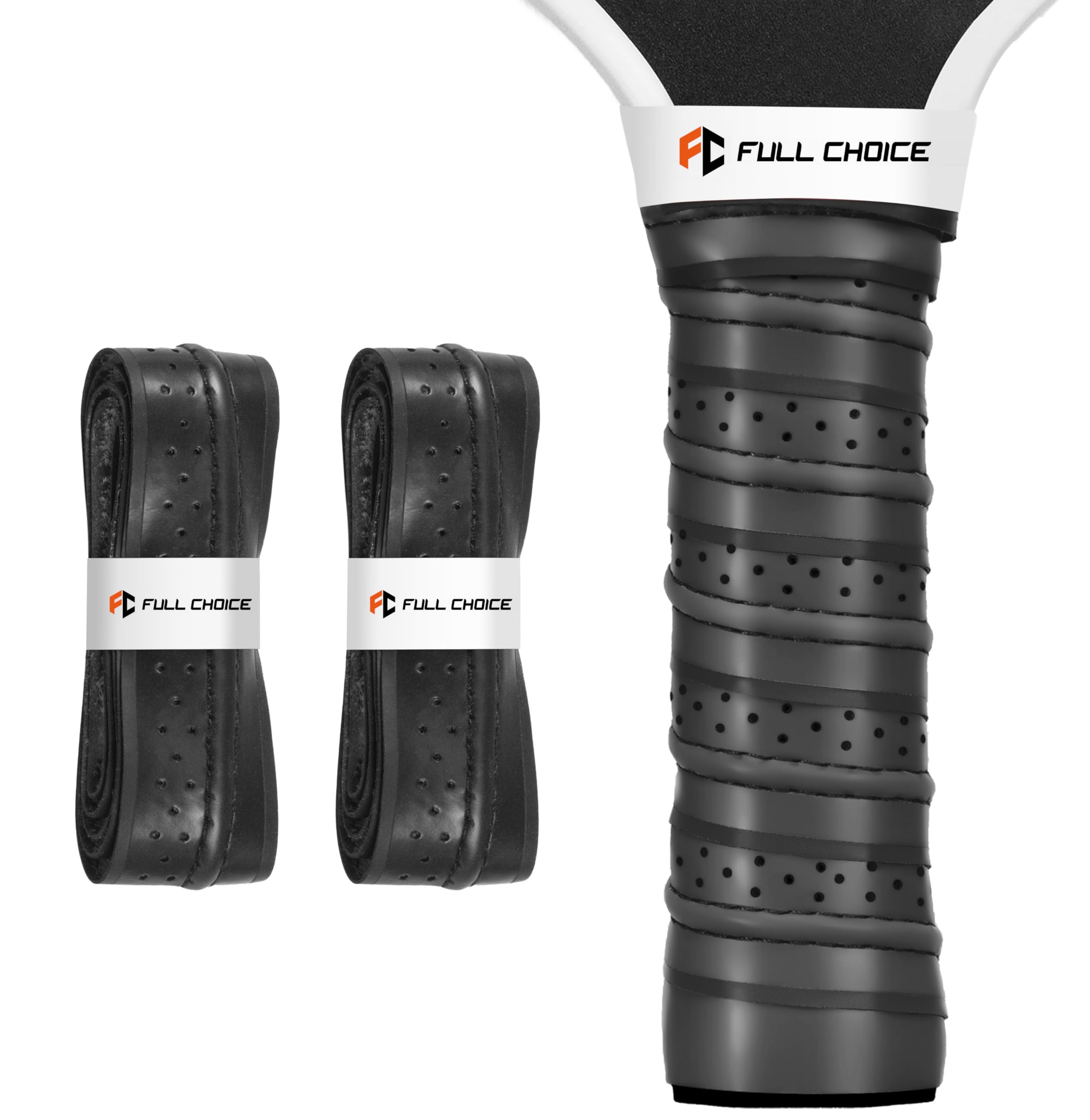
The Full Choice Pickleball Grip Tape is engineered for high efficiency; its spine design at the one‑third mark ensures proper alignment during installation. Priced at $9.99 for a two‑pack, the tape carries a 4.6‑star rating from 204 reviews, reflecting its popularity among competitive players. The moisture‑wicking surface and enhanced airflow keep the hand dry, reducing fatigue during long matches. These features make the grip tape a valuable tool for the maintenance checklist.
Step 4: Install the New Grip
Begin by removing the old grip completely, peeling it away from the handle and discarding any adhesive residue. Use a clean cloth to wipe the handle surface, ensuring that it is free of oil or dust that could impede adhesion. Cut a length of the Full Choice grip tape that matches the handle length, leaving a few extra centimeters to secure the end.
Starting at the base of the handle, align the spine marker with the designated position on the paddle, then wrap the tape tightly, overlapping each layer by approximately 20 percent to maintain consistent thickness. Press firmly along the entire length to eliminate air bubbles, and finish by securing the tail with the provided adhesive tab. The installation process takes less than a minute, yet it dramatically improves hand security and shot accuracy.
Step 5: Test Balance and Weight Distribution
Balance influences swing speed and maneuverability; a paddle that is too head‑heavy can cause arm strain, while a handle‑heavy paddle may reduce power. To test balance, place the paddle on a pivot point such as a rubber‑capped hammer or a narrow fulcrum, and observe which end tilts downward. The ideal balance point for most players lies near the midpoint of the paddle, allowing for fluid transitions between defensive and offensive strokes.
If the paddle feels excessively head‑heavy after grip installation, consider trimming a small amount of the grip tape from the handle end to shift the center of mass slightly toward the grip. Conversely, adding a thin layer of tape to the handle can counteract a handle‑heavy feel. Adjustments should be made incrementally, testing balance after each modification.
Step 6: Perform a Short‑Range Rally
Before entering the tournament venue, conduct a short rally on a practice court to evaluate the paddle’s responsiveness. Focus on a variety of shots: drives, dinks, and volleys, paying attention to feel, spin, and power. Notice whether the new grip provides a secure hold during rapid wrist action and whether the paddle face maintains consistent ball contact.
If any irregularities arise, such as unexpected vibration or loss of control, revisit the earlier steps to ensure the surface is clean, the grip is correctly installed, and the balance is optimal. Minor adjustments at this stage can prevent larger issues during competition.
Tips & Pro Tips
- Store the paddle in a temperature‑controlled environment; extreme heat can warp the carbon fiber core.
- Rotate the paddle periodically during use to distribute wear evenly across the face.
- Apply a thin layer of grip enhancer spray to the overgrip if additional tackiness is required for humid conditions.
- Inspect the paddle after each tournament session to catch early signs of wear before they affect performance.
Troubleshooting
Problem: The grip feels slippery after a few games.
Solution: Re‑apply the Full Choice grip tape or add a secondary thin overgrip layer to restore tackiness.
Problem: The paddle emits a hollow sound on impact.
Solution: Check for cracks in the frame; if present, contact the manufacturer for warranty service, especially for the JOOLA Pro V, which includes a 12‑month warranty via NFC registration.
Conclusion
Preparing a pickleball paddle for tournament play involves systematic inspection, thorough cleaning, precise grip replacement, balance verification, and practical testing. By following the checklist outlined in this guide, one can ensure that the paddle performs at its peak, reducing the likelihood of equipment‑related errors during critical points. Consistent maintenance not only extends the life of premium equipment such as the JOOLA Pro V Pickleball Paddle but also cultivates confidence in one’s own skill set. The reader is encouraged to adopt this routine before every competition and to share the checklist with teammates for collective improvement.
Products Mentioned in This Guide
Frequently Asked Questions
How often should I clean my pickleball paddle before a tournament?
Clean the paddle after each practice session and give it a thorough wipe-down the night before the tournament.
What type of cleaner is safe for paddle surfaces?
Use a mild soap mixed with water or a specialised paddle cleaner applied with a soft microfiber cloth.
When should I replace my paddle grip?
Replace the grip if it feels slippery, shows wear, or after about 10–15 hours of competitive play.
How can I check my paddle’s balance before a match?
Place the paddle on a rubber‑capped hammer or a balanced edge; the tip should stay level or slightly weighted toward the sweet spot.
Is it necessary to test the paddle’s performance after maintenance?
Yes, perform a few short swings and ball contacts to ensure consistent feel and that no wobble or surface issues remain.