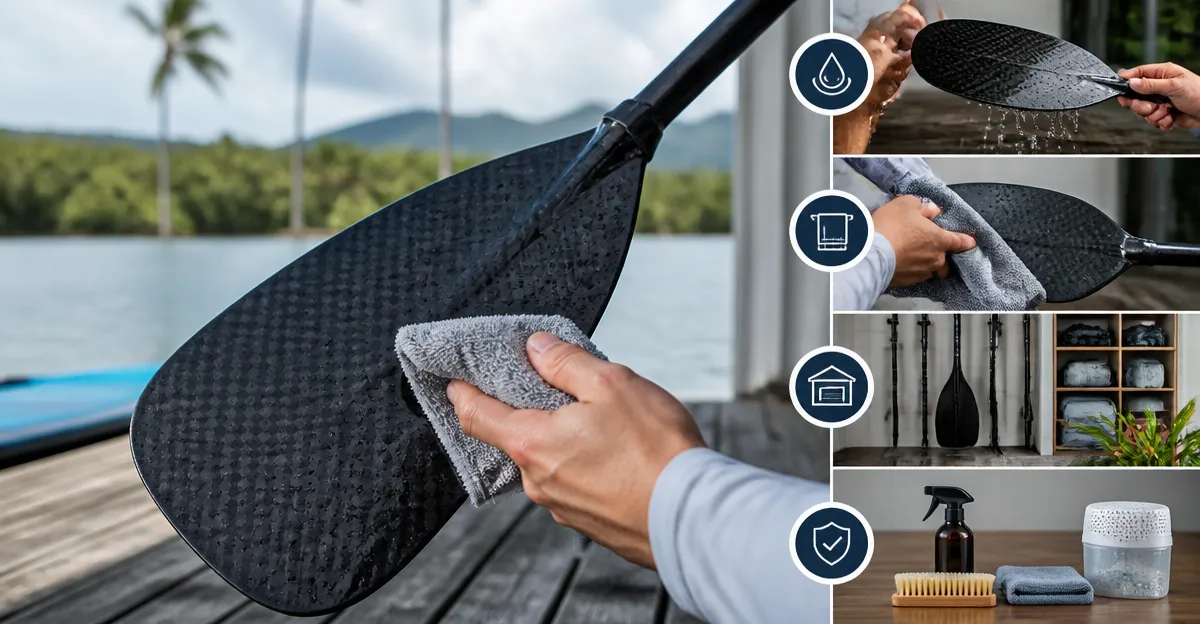
How to Prevent Mold on Paddles in Humid Conditions: Essential Drying, Storage & Cleaning Tips
Introduction
Boaters, stand‑up paddleboarders, and kayakers who live in humid regions often discover that mold develops on their paddles after only a few weeks of use. Mold not only creates an unsightly appearance, it can degrade the material of the shaft and blade, leading to reduced performance and a shorter service life. This guide explains how to prevent mold through proper cleaning, thorough drying, protective treatments, and intelligent storage. By following the steps below, one can maintain a paddle that remains reliable, safe, and aesthetically pleasing for many seasons.
What You Will Need
- A soft microfiber cloth or non‑abrasive sponge
- Mild dish soap or a dedicated marine cleaner
- Isopropyl alcohol (70% or higher) or a commercial mold‑inhibiting spray
- Absorbent towels or a portable drying rack
- Water‑proof storage bag or a dry cabinet
- Optional tools: Attwood Telescoping Emergency Paddle, Abahub Adjustable SUP Paddle, Attwood Wooden Canoe Paddle, Karltion Adjustable SUP Paddle
Step 1: Clean the Paddle Thoroughly
The first line of defense against mold is the removal of organic residues that provide a food source for spores. Rinse the paddle with fresh water to eliminate salt, sand, and algae. Apply a few drops of mild dish soap to a soft microfiber cloth and gently scrub the shaft, blade, and any grip areas, taking care not to damage varnish or protective coatings.
For paddles that have already developed visible mold, mix one part isopropyl alcohol with two parts water and apply the solution with a spray bottle. Allow the mixture to sit for five minutes, then wipe it clean with a fresh cloth. The alcohol kills spores while evaporating quickly, reducing the risk of re‑growth.
Why use a dedicated paddle such as the Attwood Telescoping Emergency Paddle during cleaning? Its corrosion‑resistant aluminum shaft and high‑impact plastic blade are designed to withstand frequent exposure to water and cleaning agents, making it an ideal test paddle for evaluating cleaning techniques without risking damage to a primary board‑specific paddle.
After cleaning, rinse the paddle with clean water to remove any soap or alcohol residue. This step prevents chemical buildup that could weaken the blade over time.
Step 2: Dry the Paddle Completely
Moisture trapped within the paddle’s interior or between the blade and shaft is the primary catalyst for mold growth. Pat the paddle dry with absorbent towels, paying special attention to joints, clamps, and any foam padding. For telescoping models, extend each section fully and allow air to circulate through the interior.
Place the paddle on a portable drying rack in a well‑ventilated area, preferably under indirect sunlight. Sunlight provides natural ultraviolet radiation, which further inhibits mold spores. If sunlight is not available, use a low‑heat fan to accelerate evaporation without warping the material.
The Abahub Adjustable SUP Paddle is especially suitable for this step because it breaks down into three pieces that can be laid out side by side, exposing all surfaces to air flow. Its lightweight aluminum alloy shaft and fiberglass‑reinforced blade resist corrosion, ensuring that the drying process does not introduce new rust spots.
Do not store the paddle until it is completely dry; even a small amount of residual moisture can create a micro‑environment for mold spores to proliferate.
Step 3: Apply a Protective Treatment
Once the paddle is dry, apply a thin layer of a marine‑grade protective spray or a silicone‑based water repellent. These products create a barrier that reduces water absorption while allowing the paddle to breathe. Follow the manufacturer’s instructions for the number of coats and drying time.
For wooden paddles, such as the Attwood Wooden Canoe Paddle, a marine varnish or oil finish is recommended. The varnish not only enhances the natural beauty of the wood but also seals pores that could otherwise trap moisture.
When using a protective spray, apply it in a well‑ventilated area and wear a mask to avoid inhalation of fine particles. Allow the paddle to cure for at least 24 hours before handling it again.
These treatments are optional but highly effective in humid climates where the ambient moisture level frequently exceeds 70 percent.
Step 4: Store in a Controlled Environment
Proper storage is the most critical factor in preventing mold over the long term. Store paddles in a dry, temperature‑controlled space such as a garage, boat locker, or indoor shed. Avoid basements or attics where humidity can fluctuate dramatically.
For telescoping paddles, collapse them to their shortest length and place them in a waterproof storage bag that includes a desiccant pack. The Attwood Telescoping Emergency Paddle (20"‑42") is designed to float if dropped, but when stored in a sealed bag it remains protected from both water and airborne spores.
If space permits, hang paddles on a wall‑mounted rack to keep them off the ground and allow air circulation. The Karltion Adjustable SUP Paddle folds into a compact 33.85‑inch package, making it easy to place in a cupboard or travel case without compromising its protective coating.
Periodically check the storage area for signs of condensation. If moisture is detected, use a dehumidifier or replace desiccant packs to maintain a dry environment.
Step 5: Perform Regular Maintenance Checks
Even with diligent care, occasional inspections are necessary to catch early signs of mold. Examine the paddle weekly during the rainy season and monthly during drier months. Look for discoloration, a faint musty odor, or a slick film on the blade.
If mold is discovered, repeat the cleaning and drying process immediately. Early intervention prevents the spores from penetrating deeper into the material, which could otherwise require professional refurbishment.
Maintain a log of cleaning dates, drying conditions, and storage locations. This record helps identify patterns, such as a particular storage spot that consistently yields higher humidity.
By integrating these checks into a routine, one ensures that the paddle remains in optimal condition throughout the boating season.
Tips & Pro Tips
- Use a microfiber towel rather than a cotton rag; microfiber absorbs more water and leaves less lint on the blade.
- Place silica gel packets inside the storage bag; they absorb residual moisture without emitting chemicals.
- When traveling, keep the paddle in a padded travel case that includes a built‑in vent to prevent trapped humidity.
- For wooden paddles, reapply a thin coat of marine varnish annually to maintain the protective seal.
- Avoid leaving paddles in direct sunlight for extended periods, as UV exposure can degrade plastic blades over time.
Troubleshooting
| Problem | Possible Cause | Solution |
|---|---|---|
| Persistent musty odor after cleaning | Moisture trapped inside telescoping sections | Disassemble the paddle fully, dry each segment on a fan, and use a desiccant pack during reassembly. |
| Visible white spots on blade | Early mold growth | Apply a 1:1 solution of water and white vinegar, scrub gently, rinse, and dry thoroughly. |
| Blade feels slippery even after drying | Residue from cleaning agents | Rinse with clean water, wipe with a lint‑free cloth, and apply a light silicone spray to restore grip. |
Conclusion
Preventing mold on paddles in humid conditions requires a systematic approach that combines thorough cleaning, complete drying, protective treatment, and controlled storage. By following the five steps outlined in this guide, one can extend the lifespan of both aluminum and wooden paddles, maintain optimal performance, and avoid the unpleasant sight and smell of mold. Implement the recommended routine, use the suggested tools, and enjoy reliable paddling adventures regardless of the climate.
Products Mentioned in This Guide
Frequently Asked Questions
What are the best cleaning products to remove mold from paddles?
Use a soft microfiber cloth with mild dish soap or a marine‑safe cleaner, then rinse and apply isopropyl alcohol (70%+) or a commercial mold‑inhibiting spray.
How long should I dry a paddle after use in humid conditions?
Dry the paddle thoroughly for at least 24 hours in a well‑ventilated area or on a drying rack before storage.
Can I store my paddle in a regular bag without risking mold?
No; store paddles in a waterproof, breathable bag or a dry cabinet to keep moisture out.
Is it necessary to treat paddles with a protective coating?
Applying a marine‑grade protective spray or sealant after cleaning helps repel moisture and slows mold growth.
What storage location is optimal for preventing paddle mold?
Keep paddles in a cool, dry, low‑humidity space away from direct sunlight, preferably in a rack or hanging position.