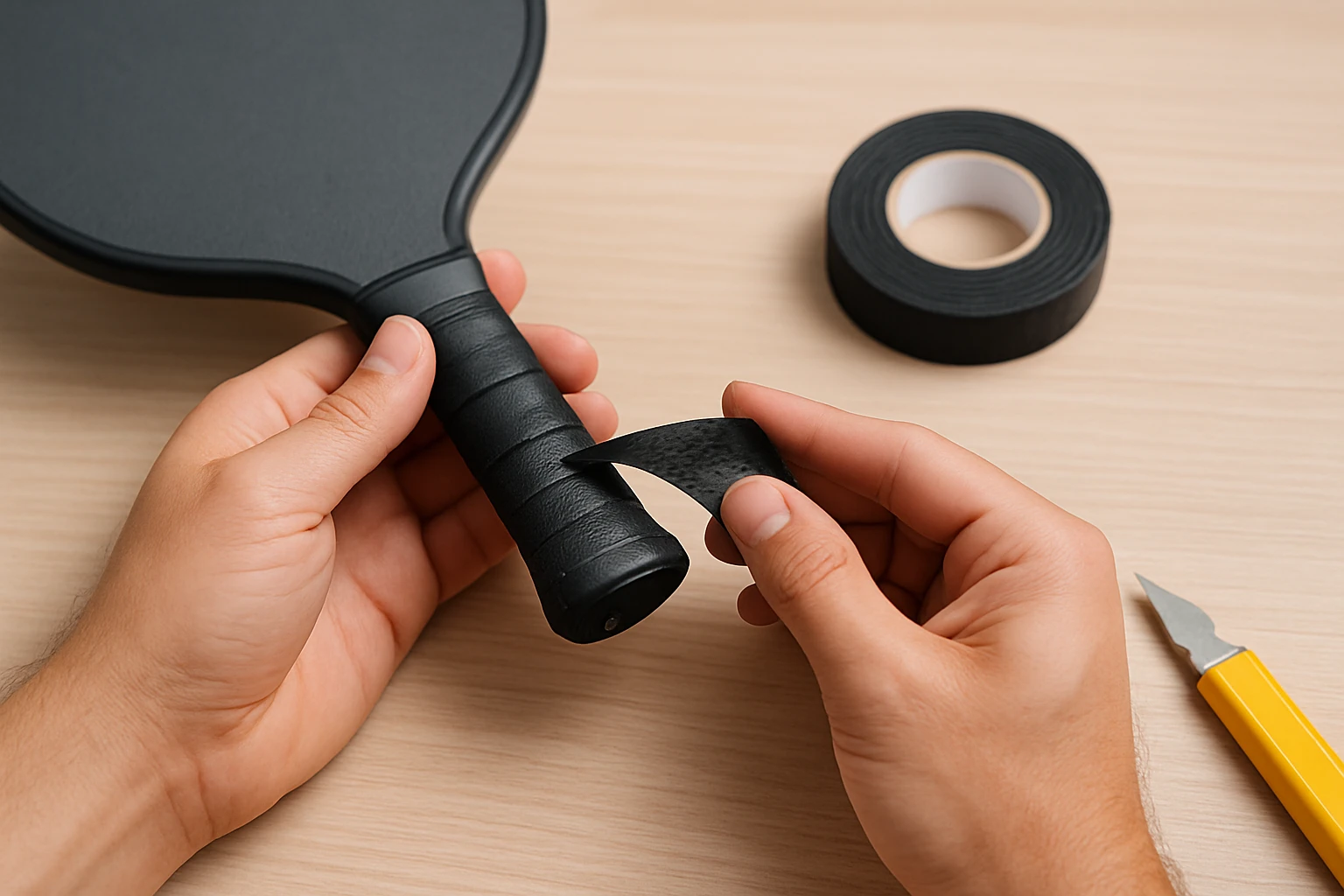
How to Regrip a Pickleball Paddle: Easy Step‑by‑Step Guide for Beginners
Introduction
Regripping a pickleball paddle is a fundamental maintenance task that can dramatically improve control, comfort, and durability. This guide will teach the reader how to replace an old grip with a fresh overgrip, explain why each tool is valuable, and provide professional tips that prevent common mistakes. By following the instructions, a beginner will be able to perform the task confidently, extend the life of the paddle, and enjoy a more secure hold during competitive play.
The process requires only a few inexpensive supplies and a modest amount of time. The steps are organized logically, from preparation to final trimming, ensuring that the reader never feels rushed or uncertain. In addition, the guide highlights optional accessories that enhance the overall playing experience.
Whether the reader is preparing for a tournament, replacing a worn‑out grip, or simply seeking a smoother feel, the information below will be directly applicable.
What You'll Need
- Old grip removal tool or a blunt knife (optional)
- Isopropyl alcohol wipes or a clean cloth
- Scissors or a sharp utility blade
- Overgrip – recommended options are JOOLA Overgrip, Srikel Overgrip, Tourna Mega Tac Overgrip, or Gamma Supreme Overgrip
- Finishing tape (usually included with overgrip kits)
- Optional: Giipto Ball Retriever for post‑game convenience
Step 1 – Remove the Existing Grip
The first step is to detach the old grip without damaging the paddle handle. If the previous grip was wrapped with adhesive tape, gently peel it away starting at the tip of the handle. Use a blunt knife or a dedicated grip removal tool to lift the edge, then pull steadily. In cases where the grip is firmly adhered, apply a small amount of isopropyl alcohol to the seam; the solvent will soften the adhesive and make removal easier.
It is important to work slowly, because a sudden yank can crack the underlying surface. Once the old material is removed, inspect the handle for any residual adhesive. If any remains, wipe it away with an alcohol‑dampened cloth until the surface feels smooth.
Cleaning at this stage ensures that the new overgrip adheres uniformly, preventing premature slippage.
Step 2 – Clean and Prepare the Handle
After the old grip has been removed, the handle must be cleaned thoroughly. Use a lint‑free cloth moistened with isopropyl alcohol to eliminate dust, oils, and leftover adhesive. Allow the handle to air‑dry for at least thirty seconds; the alcohol will evaporate quickly, leaving a pristine surface.
If the paddle has a textured or ribbed handle, make sure the cleaning solution reaches every groove. A clean handle maximizes the contact area for the new overgrip, which directly influences the tackiness and longevity of the grip.
At this point the paddle is ready for the overgrip application.
Step 3 – Apply the Overgrip
Choose an overgrip that matches personal preferences for thickness, tackiness, and moisture absorption. The JOOLA Overgrip provides a premium synthetic surface with a tacky feel and moisture‑absorbing properties. Priced at $9.95 and rated 4.7 out of 5 stars by 448 reviewers, it offers a balance of durability and comfort. The package includes four grips and finishing tape, allowing the user to replace the grip on multiple paddles or keep a spare.
For players who prefer a thinner, ultra‑tacky feel, the Tourna Mega Tac Overgrip is only 0.44 mm thick and is engineered to retain tack for up to fourteen hours. At $7.99 with a 4.6 rating from 190 reviews, it is an excellent choice for competitive environments where a secure grip is essential.
If the user desires a variety of colors or a softer touch, the Srikel Overgrip offers a soft‑touch surface, advanced sweat‑wicking resin, and multiple color options. Priced at $10.99 and receiving a 4.4 rating from 56 reviewers, it combines aesthetic flexibility with reliable performance.
Another versatile option is the Gamma Supreme Overgrip. At $7.99 and a 4.5 rating from over ten thousand reviews, it is known for excellent absorbency and durability across a range of racket sports, making it suitable for players who switch between pickleball and other racquet games.
To apply the chosen overgrip, unroll the tape and align the tapered end with the tip of the handle. Press the grip firmly onto the handle, smoothing it as you advance toward the butt. Overlap the edges by approximately 2 mm to ensure continuous coverage. Once the grip reaches the end of the handle, use the finishing tape to seal the edge, preventing fraying during play.
Step 4 – Trim Excess Material
After the overgrip is fully wrapped, excess material will extend beyond the butt of the handle. Use a sharp pair of scissors or a utility blade to cut the overgrip flush with the end of the paddle. A clean cut prevents the grip from catching on clothing or the net.
Some players prefer to leave a small overhang for additional cushioning; if this is desired, cut only enough to avoid interference with the paddle’s balance. The finishing tape applied in the previous step will hold the cut edge securely.
Inspect the final result for any gaps or bubbles. If any are present, gently lift the grip and reposition it before re‑securing with tape.
Step 5 – Install Optional Accessories
While the grip is the most critical component, additional accessories can improve comfort and efficiency. The Giipto Ball Retriever attaches to the paddle’s end and allows the player to scoop up stray balls without bending. Priced at $9.99 and receiving a perfect 5‑star rating from five reviewers, it is constructed from lightweight silicone that does not affect swing balance.
To install, stretch the silicone loop over the butt of the paddle until it fits snugly. The flexible material conforms to most standard handle diameters, and the installation requires only a few seconds. This accessory is especially beneficial for players with limited mobility or for those who wish to maximize court time.
Once the ball retriever is in place, the paddle is ready for immediate use.
Tips & Pro Tips
- Work in a well‑lit area to ensure that the overgrip is applied without wrinkles.
- Apply gentle pressure with a rolling motion to eliminate air bubbles while wrapping.
- If the grip feels too thick, consider using a thinner option such as the Tourna Mega Tac Overgrip.
- Replace the overgrip every 8‑10 hours of intensive play to maintain optimal tackiness.
- Store the paddle in a cool, dry place; excessive heat can degrade the adhesive.
Troubleshooting
Problem: The overgrip slides during play.
Solution: Ensure the handle was completely clean before application. Re‑apply a thin layer of adhesive spray or use the finishing tape to secure the end more firmly.
Problem: The grip feels excessively tacky and uncomfortable.
Solution: Use a lighter‑weight overgrip such as the Tourna Mega Tac, or allow the grip to air out for a few minutes before use.
Problem: The overgrip begins to peel after a few games.
Solution: Verify that the finishing tape is applied tightly over the butt and that the overgrip was not stretched beyond its recommended length.
Conclusion
Regripping a pickleball paddle is a straightforward process that yields immediate performance benefits. By following the step‑by‑step instructions, the reader can replace a worn grip, select the most suitable overgrip, and optionally add a ball retriever for added convenience. Consistent maintenance prolongs the life of the paddle, reduces the risk of slippage, and enhances overall enjoyment of the game.
With the knowledge gained from this guide, the beginner can approach each regripping task with confidence and precision.
Products Mentioned in This Guide
Frequently Asked Questions
How often should I replace the grip on my pickleball paddle?
Replace the grip every 3–6 months or sooner if it feels slick, worn, or causes blisters.
What tools and supplies do I need to regrip a pickleball paddle?
You’ll need an old‑grip removal tool or blunt knife, isopropyl‑alcohol wipes, a clean cloth, a new over‑grip, and scissors for trimming.
Can any over‑grip be used, or should I choose a specific type?
Any over‑grip designed for pickleball or tennis works; choose a thickness and tack level that matches your hand size and playing style.
How do I safely remove the old grip without damaging the paddle?
Slide a removal tool or blunt knife under the edge, peel the grip off gently, and wipe any residue with an alcohol wipe.
How long does it typically take to regrip a paddle?
The whole process usually takes 5–10 minutes for a beginner once all supplies are prepared.