How to Set Up a Left‑Handed Pickleball Paddle: Ultimate Guide to Grip, Stance & Customization
Introduction
Left‑handed players often face unique challenges when selecting equipment and establishing proper technique. This guide explains how to configure a paddle, adjust grip, and adopt the optimal stance for left‑handed play. Readers will discover actionable steps, practical advice, and product recommendations that enhance control and power. By following the instructions, one can reduce mishits, improve consistency, and enjoy the game with confidence.
What You'll Need
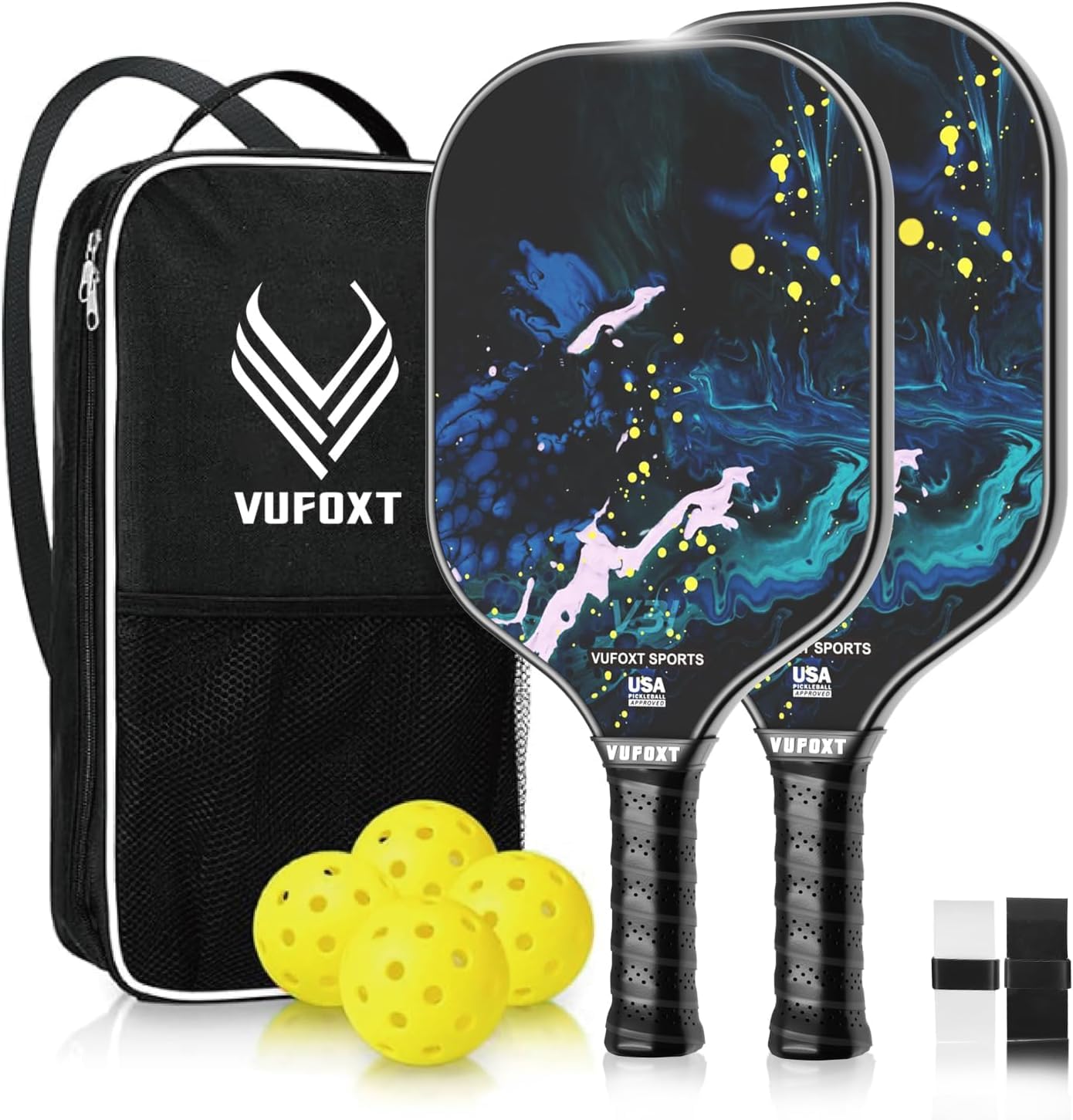
- VUFOXT Carbon Fiber Pickleball Paddle Set – $38.99, 4.6★ (2,209 reviews)
- Selkirk SLK Pickleball Paddle Set – $89.99, 4.6★ (4,684 reviews)
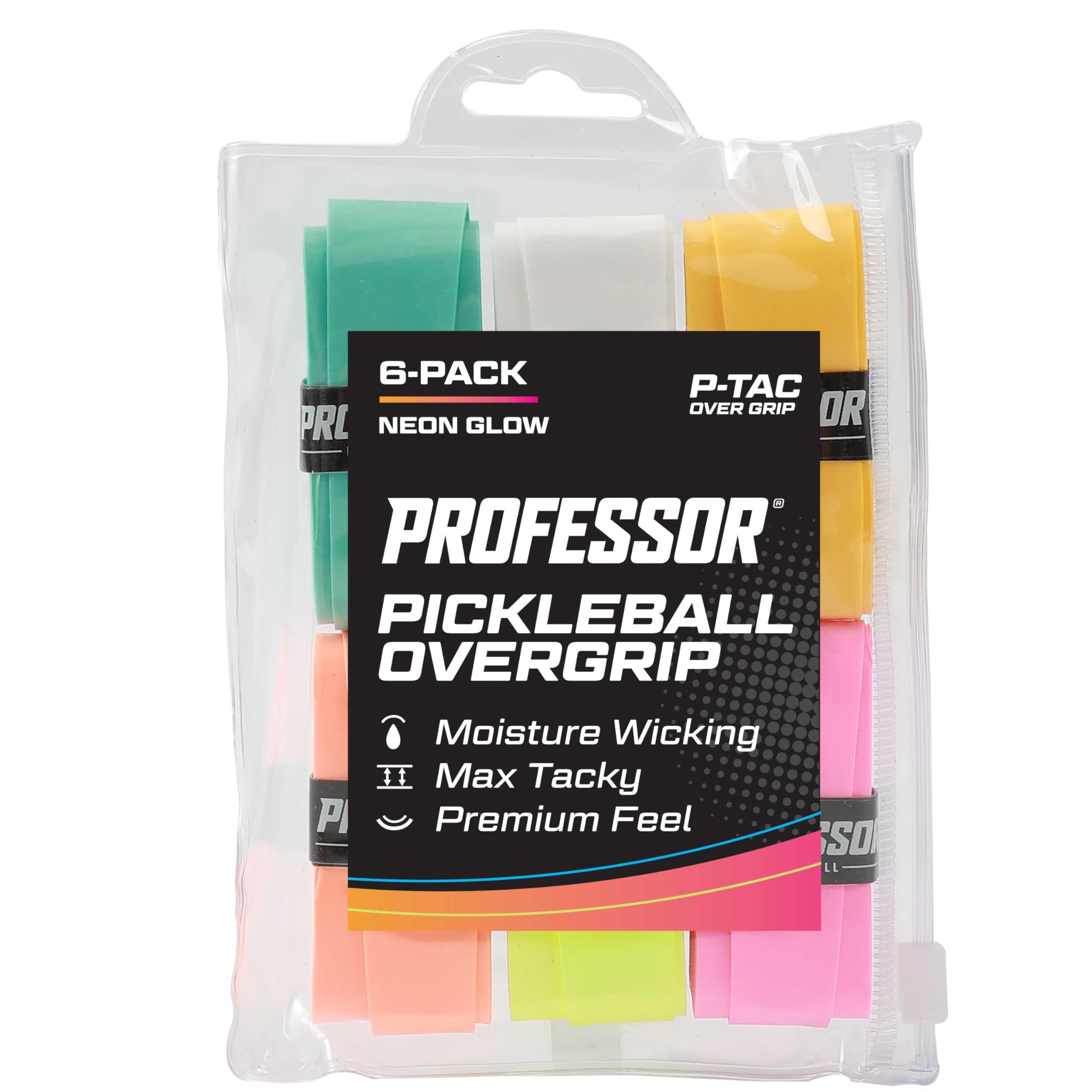
- Professor P‑Tac Pickleball Overgrip – $12.99, 4.6★ (448 reviews)
- A clean, well‑lit practice area and a set of standard pickleballs.
Step 1: Choose a Left‑Handed Friendly Paddle
The foundation of an effective left‑handed setup is a paddle that offers a balanced blend of power, control, and weight distribution. While most paddles are ambidextrous, certain designs provide a larger sweet spot and a teardrop shape that benefits left‑handed swing paths.
For beginners seeking affordability without sacrificing quality, the VUFOXT Carbon Fiber Pickleball Paddle Set is an excellent choice. Its 14 mm PP honeycomb core delivers a lightweight feel at approximately 7.8 oz, while the wide body creates additional sweet spots for off‑center hits. The USAPA‑approved graphite surface ensures tournament‑level performance, and the included carry bag protects the paddles during transport.
Advanced players who desire a more refined feel may prefer the Selkirk SLK Pickleball Paddle Set. Featuring a G4 Control Graphite surface and an SX4 13 mm polymer honeycomb core, this paddle offers a larger sweet spot and consistent spin control. At 6.9–7.5 oz, it is slightly lighter than the VUFOXT, allowing quicker wrist action for left‑handed forehands and backhands.
Both paddles meet USAPA standards, meaning they are approved for tournament play and provide the durability required for intensive training. Selecting one depends on budget, preferred weight, and desired feel.
Step 2: Install an Overgrip for Left‑Handed Comfort
Grip size and texture are critical for left‑handed players because the dominant hand must maintain a secure hold during rapid directional changes. An overgrip adds thickness, tackiness, and moisture‑wicking properties, preventing slippage caused by sweat.
The Professor P‑Tac Pickleball Overgrip offers a max‑tacky surface and superior sweat absorption. Each pack includes enough tape to replace the grip on both paddles in the set, extending the life of the original handle. The overgrip’s universal fit ensures compatibility with both the VUFOXT and Selkirk paddles.
To apply the overgrip, first remove any existing tape, clean the handle with a dry cloth, and then wrap the new overgrip starting at the butt end, overlapping slightly to maintain even thickness. Secure the end with the provided finishing tape. This process typically takes under five minutes and dramatically improves control during left‑handed backhand strokes.
Choosing a high‑quality overgrip reduces the need for frequent grip adjustments mid‑match, allowing the player to focus on footwork and shot selection.
Step 3: Adopt the Correct Left‑Handed Stance
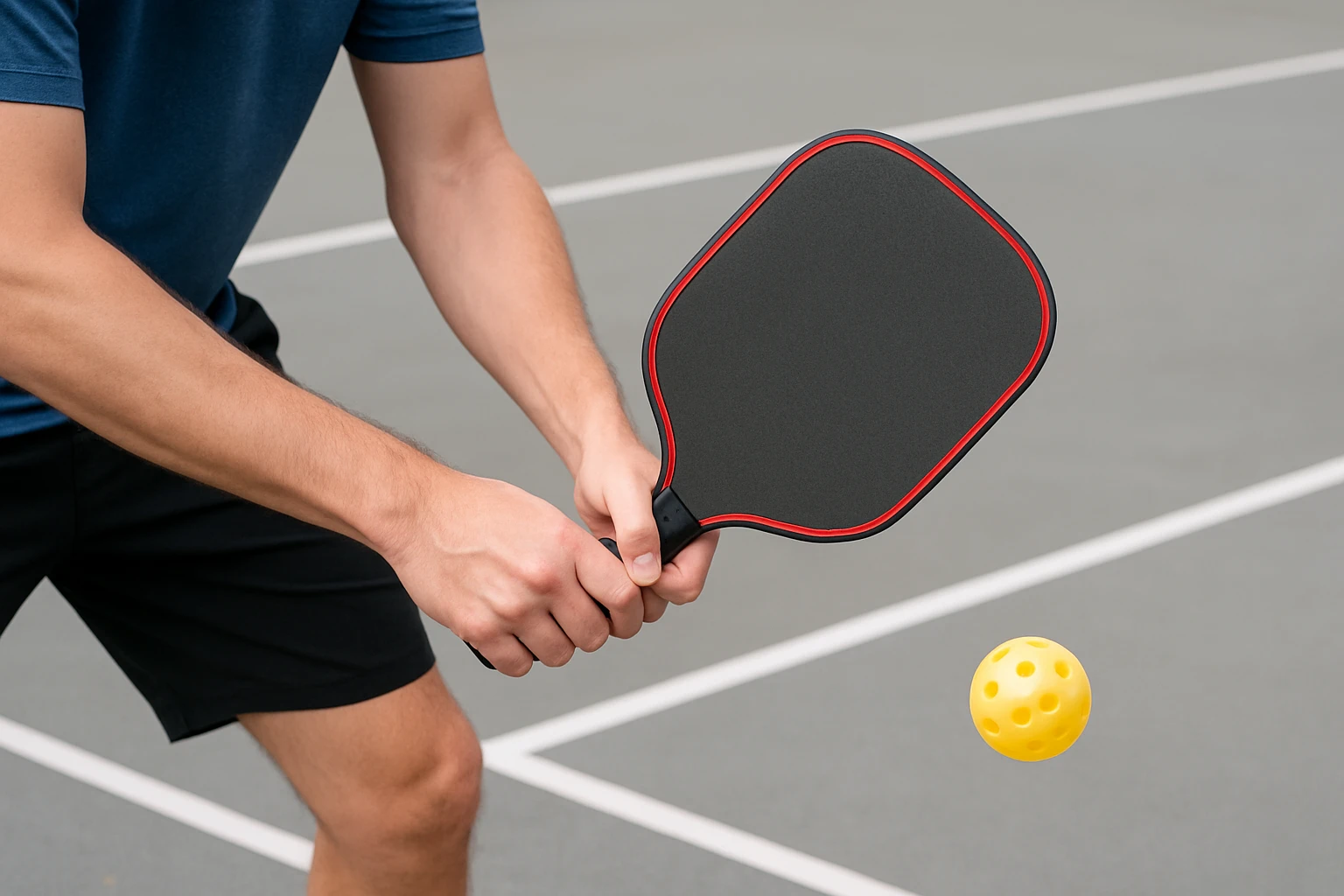
Stance influences balance, reaction time, and the ability to generate power. A left‑handed player should mirror the conventional right‑handed stance, positioning the right foot slightly forward and the left foot behind for stability.
Begin with feet shoulder‑width apart, knees slightly bent, and weight distributed evenly. When preparing for a forehand, shift weight onto the right foot while rotating the hips clockwise. For a backhand, transfer weight to the left foot and rotate hips counter‑clockwise. Maintaining a low center of gravity improves agility and reduces the risk of overreaching.
Practice shadow swings without a ball to internalize the motion. Notice how the paddle head aligns with the target line when the body rotates correctly. This drill reinforces muscle memory, making the transition to live play smoother.
Consistent stance work also helps prevent common injuries such as shoulder strain, which can arise from improper weight transfer.
Step 4: Fine‑Tune Weight Distribution and Balance
Even with a suitable paddle, left‑handed players may benefit from slight adjustments to weight distribution. A head‑heavy paddle can increase power on forehands, while a balanced or handle‑heavy paddle enhances control on backhands.
If using the VUFOXT set, consider adding a small lead tape strip (not included) to the paddle’s top edge to shift the balance toward the head. This modification is optional and should be tested incrementally. For the Selkirk SLK, the paddle already offers a medium balance, making it suitable for players who prefer a versatile feel.
After any adjustment, perform a series of forehand and backhand drives to assess the impact on shot accuracy. Record the distance of each ball and note any changes in perceived effort. Small tweaks can yield noticeable improvements in consistency.
Remember that excessive weight can lead to fatigue, especially during extended rallies. Aim for a paddle weight that allows a relaxed grip without sacrificing power.
Step 5: Test, Evaluate, and Refine Your Setup
With the paddle selected, grip installed, and stance practiced, the final step is to evaluate performance in real‑world conditions. Play a series of practice games focusing on different shot types: dinks, volleys, drives, and overhead smashes.
Take note of any discomfort in the hand, wrist, or shoulder. If the overgrip feels too thick, replace it with a thinner version or trim the excess. If the paddle feels unstable during rapid swings, revisit the balance adjustments made in Step 4.
Document observations after each session in a simple log: date, weather, paddle used, grip condition, and perceived strengths or weaknesses. Over time, this data will reveal patterns and guide further customization.
Continuous refinement ensures that the left‑handed setup evolves with the player’s skill level, preventing plateaus and encouraging steady improvement.
Tips & Pro Tips
- Always inspect the paddle surface for cracks before each session; a compromised surface can affect ball bounce.
- Rotate the overgrip every 10–12 matches to maintain optimal tackiness.
- Practice footwork drills that emphasize lateral movement; left‑handed players often need to adjust to opponents who target the backhand side.
- When playing on outdoor courts, consider a slightly heavier paddle to counteract wind resistance.
- Use a mirror or record video of your swing to verify that the paddle face remains square to the target line.
Troubleshooting
Problem: Grip feels slippery despite using the overgrip.
Solution: Ensure the handle is completely dry before applying the overgrip. If sweat persists, apply a small amount of grip powder or replace the overgrip with a fresh one.
Problem: Paddle feels too heavy after adding lead tape.
Solution: Remove the tape gradually, testing after each reduction. Aim for a total weight increase of no more than 0.2 oz.
Problem: Inconsistent shot placement.
Solution: Re‑evaluate stance and weight transfer. Focus on keeping the knees bent and the hips aligned with the target.
Conclusion
This guide has outlined a systematic approach to setting up a left‑handed pickleball paddle, from selecting the appropriate paddle to fine‑tuning grip, stance, and balance. By following each step, players can achieve greater control, power, and comfort on the court. Continuous practice and periodic adjustments will ensure that the setup remains optimal as skill levels advance. Embrace the process, experiment with the recommended tools, and enjoy the enhanced performance that comes with a well‑configured left‑handed paddle.
Products Mentioned in This Guide
Frequently Asked Questions
What grip adjustments are recommended for a left‑handed pickleball paddle?
Use an overgrip like Professor P‑Tac and rotate the handle so the thumb rests on the wider edge, allowing a comfortable continental grip for left‑handed swings.
How should a left‑handed player position their stance on the court?
Adopt a mirrored stance with the right foot forward, keeping the paddle on the left side of the body to maximize reach and balance during serves and returns.
Can I use the same paddle models as right‑handed players?
Yes; paddles such as the VUFOXT Carbon Fiber or Selkirk SLK work for both hands, but you may need to customize grip thickness and weight distribution for left‑handed comfort.
What are the key factors when choosing a left‑handed paddle?
Focus on weight, balance, grip size, and surface texture; a slightly lighter paddle with a comfortable grip helps improve control for left‑handed players.
How often should I replace my overgrip on a left‑handed paddle?
Replace the overgrip every 4–6 weeks or when it feels slippery, as a fresh grip maintains consistent handling and reduces mishits.