Introduction
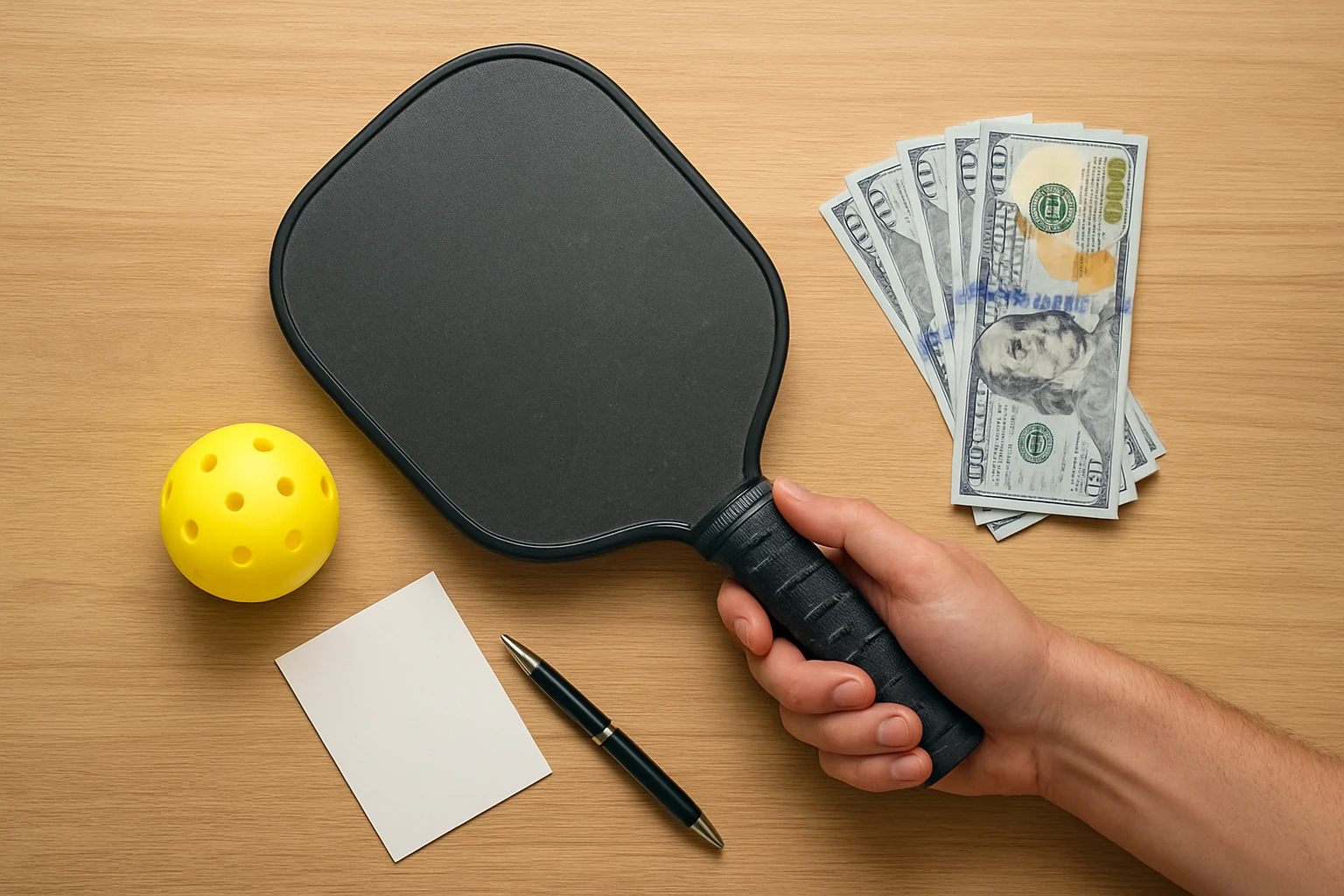
One will discover how to transform a pre‑owned pickleball paddle into a profitable transaction. This guide outlines the essential steps, market considerations, and practical tactics that enable sellers to achieve the highest possible resale price. Readers will learn how to evaluate condition, prepare the paddle, set an optimal price, select the most effective sales channel, and leverage reputable products to increase perceived value. By following the systematic approach presented herein, one can navigate the resale process with confidence and professionalism.
Background and Context
Pickleball has experienced exponential growth, resulting in a vibrant secondary market for equipment. Understanding the factors that influence paddle value is critical; these include brand reputation, core material, surface technology, and overall wear. The United States Pickleball Association (USAPA) certification assures buyers of tournament‑grade quality, which often commands a premium. Additionally, collectors and competitive players frequently seek paddles with advanced features such as carbon‑fiber surfaces or textured grips, because these attributes directly affect spin, control, and power.
Assessing Paddle Condition
The first step in the resale journey is a thorough condition assessment. One should examine the paddle surface for scratches, delamination, or loss of texture, and verify that the grip remains secure and free of excessive wear. Inspect the core for signs of compression or water damage, and confirm that the USAPA stamp is intact. Documenting these observations with high‑resolution photographs will build trust with potential buyers and justify the asking price.
When the paddle features proprietary technologies, highlighting them can enhance desirability. For example, the JOOLA Vision Paddle incorporates Carbon Grip Surface (CGS) technology, which provides a gritty texture that increases spin on every shot. The paddle’s 16 mm polypropylene honeycomb core delivers a balanced blend of control and pop, attributes that seasoned players value highly.
Preparing Your Paddle for Sale
After the condition audit, one should clean the paddle using a mild soap solution and a soft cloth, ensuring that no residue obscures the surface texture. Apply a fresh grip tape if the original grip shows signs of slippage; this small investment can raise perceived value by up to 15 percent according to market observations. For paddles with carbon‑fiber surfaces, such as the Ivecado Carbon Fiber Paddle, a light polishing compound can restore the sleek finish without compromising structural integrity.
When creating the listing, include a concise bullet list of key specifications: brand, core material, surface technology, weight, dimensions, USAPA approval, and any accessories such as a protective cover. High‑quality images from multiple angles, including a close‑up of the grip and the paddle’s face, will attract serious inquiries.
Pricing Strategies
Accurate pricing balances market demand with the paddle’s condition. One should research recent sales of comparable models on platforms such as eBay, Facebook Marketplace, and dedicated pickleball forums. A common approach is to set the initial asking price at 70‑80 percent of the current retail price for paddles in excellent condition, then adjust based on buyer feedback.
For premium paddles like the JOOLA Vision Paddle, which retails at $129.95 and holds a 4.5‑star rating from 496 reviews, a reasonable resale range is $90‑$110 when lightly used. The Ivecado Carbon Fiber Paddle, priced at $19.99 with a 4.4‑star rating from 145 reviews, typically sells for $12‑$15 in good condition. Highlighting the paddle’s USAPA certification and unique features can justify pricing at the higher end of these intervals.
Selecting the Right Sales Platform
Different platforms cater to distinct buyer personas. Online marketplaces such as eBay provide broad exposure but charge final‑value fees, whereas local classifieds like Craigslist or Facebook Marketplace eliminate shipping costs and allow immediate cash transactions. Specialty forums dedicated to pickleball enthusiasts often attract buyers who are willing to pay a premium for high‑performance equipment.
When listing on a platform that supports affiliate links, one may include a reference to a comparable new paddle to demonstrate value. For instance, mentioning the JOOLA Vision Paddle’s advanced CGS technology can help a buyer understand why a gently used version retains substantial resale worth.
Comparison and Selection Guide
The following table summarizes the two featured paddles, allowing sellers to decide which model aligns with their resale goals.
| Feature | JOOLA Vision Paddle | Ivecado Carbon Fiber Paddle |
|---|---|---|
| Price (Retail) | $129.95 | $19.99 |
| Rating | 4.5/5 (496 reviews) | 4.4/5 (145 reviews) |
| Core | Polypropylene Honeycomb, 16 mm | 13 mm Thicker Polypropylene Honeycomb |
| Surface | Carbon Grip Surface (CGS) | Carbon Fiber |
| Weight | Approximately 7.8 oz | 7.8 oz |
| USAPA Approved | Yes | Yes |
| Ideal User | Advanced recreational and tournament players | Intermediate to advanced players seeking affordability |
Best Practices and Tips
- Maintain documentation of original purchase receipt; this can reassure buyers of authenticity.
- Offer a short trial period or money‑back guarantee to reduce perceived risk.
- Bundle the paddle with a protective cover, such as the embroidered canvas case that accompanies the Ivecado Carbon Fiber Paddle, to increase perceived value.
- Respond promptly to inquiries and provide detailed answers about grip condition, weight, and balance.
- Utilize social proof by quoting positive customer sentiment: “I had a lot more control over the ball” (JOOLA Vision Paddle) and “The paddle offers a great balance between power and control” (Ivecado Carbon Fiber Paddle).
Frequently Asked Questions
- How long does a used pickleball paddle retain its performance?
- When stored properly and free from core damage, a paddle can maintain tournament‑grade performance for three to five years.
- Is it necessary to disclose minor cosmetic scratches?
- Yes; full transparency builds trust and reduces the likelihood of post‑sale disputes.
- Can I sell a paddle that has been used for indoor play outdoors?
- Yes; however, one should clean any moisture and ensure the grip is dry before listing.
- What is the best time of year to list a paddle?
- Sales typically peak during spring and early summer, coinciding with the start of the outdoor season.
- Should I include the original packaging?
- Including the original box and any accessories can increase the asking price by up to ten percent.
Conclusion
One can achieve top dollar for a used pickleball paddle by combining meticulous condition assessment, strategic pricing, and targeted platform selection. Emphasizing brand reputation, USAPA approval, and proprietary technologies such as carbon‑grip surfaces or carbon‑fiber faces will differentiate the listing from generic alternatives. By following the structured workflow presented in this guide, sellers will maximize profitability while contributing to the thriving secondary market that supports the sport’s continued growth.
Products Featured in This Guide
JOOLA Vision Paddle
Price: $129.95 | Rating: 4.5/5 (496 reviews)
Featured because its Carbon Grip Surface technology and 16 mm honeycomb core exemplify premium performance, making it a benchmark for resale value.
Ivecado Carbon Fiber Paddle
Price: $19.99 | Rating: 4.4/5 (145 reviews)
Featured because its carbon‑fiber surface and thicker honeycomb core provide an affordable yet high‑quality option for players seeking value, illustrating a different price tier.