Introduction
The sport of pickleball is expanding rapidly, and inclusive adaptations now enable players with visual impairments to compete safely and enjoyably. This guide explains essential equipment, adaptive strategies, and reliable resources that empower visually impaired athletes to participate fully. Readers will learn about tactile paddles, audible balls, safety accessories, and how to select gear that matches individual needs. In addition, a curated product recommendation demonstrates how mainstream equipment can be integrated into an adaptive setup.
Background and Context
Pickleball combines elements of tennis, badminton, and table tennis, and it is played on a compact court measuring 20 by 44 feet. The game relies on quick reflexes, hand‑eye coordination, and precise paddle control. For players with limited vision, modifications such as high‑contrast markings, sound‑emitting balls, and ergonomic grips become critical. The United States Association of Pickleball (USAPA) establishes equipment standards that ensure safety and fairness, and many adaptive products comply with these guidelines.
Visually impaired athletes often use additional cues, including tactile court lines, vibrating wristbands, and audible ball technology. These cues replace visual information and allow players to track ball trajectory through sound and touch. Understanding the underlying technology of each adaptation helps coaches and players make informed decisions.
Adaptive Equipment Categories
1. Audible Pickleballs
Audible balls contain a small speaker that produces a consistent tone when the ball is struck or bounces. The sound assists players in locating the ball without relying on sight. Recommended specifications include a volume of at least 70 dB, durable rubber construction, and compliance with USAPA size standards.
- High‑frequency tone for rapid detection.
- Rubber outer layer reduces bounce height, making the ball easier to hear.
- USAPA‑approved size 40 mm diameter.
2. Tactile Court Markings
Raised or textured lines are applied to the court surface using adhesive tape or painted rubber strips. These markings provide a physical reference for the baseline, non‑volley zone, and service lines. When combined with a walking guide or cane, players can orient themselves confidently.
- Durable vinyl tape with a minimum width of 2 inches.
- Contrast colors such as bright yellow on dark surfaces for low‑vision assistance.
- Easy removal without damaging the playing surface.
3. Ergonomic Paddles
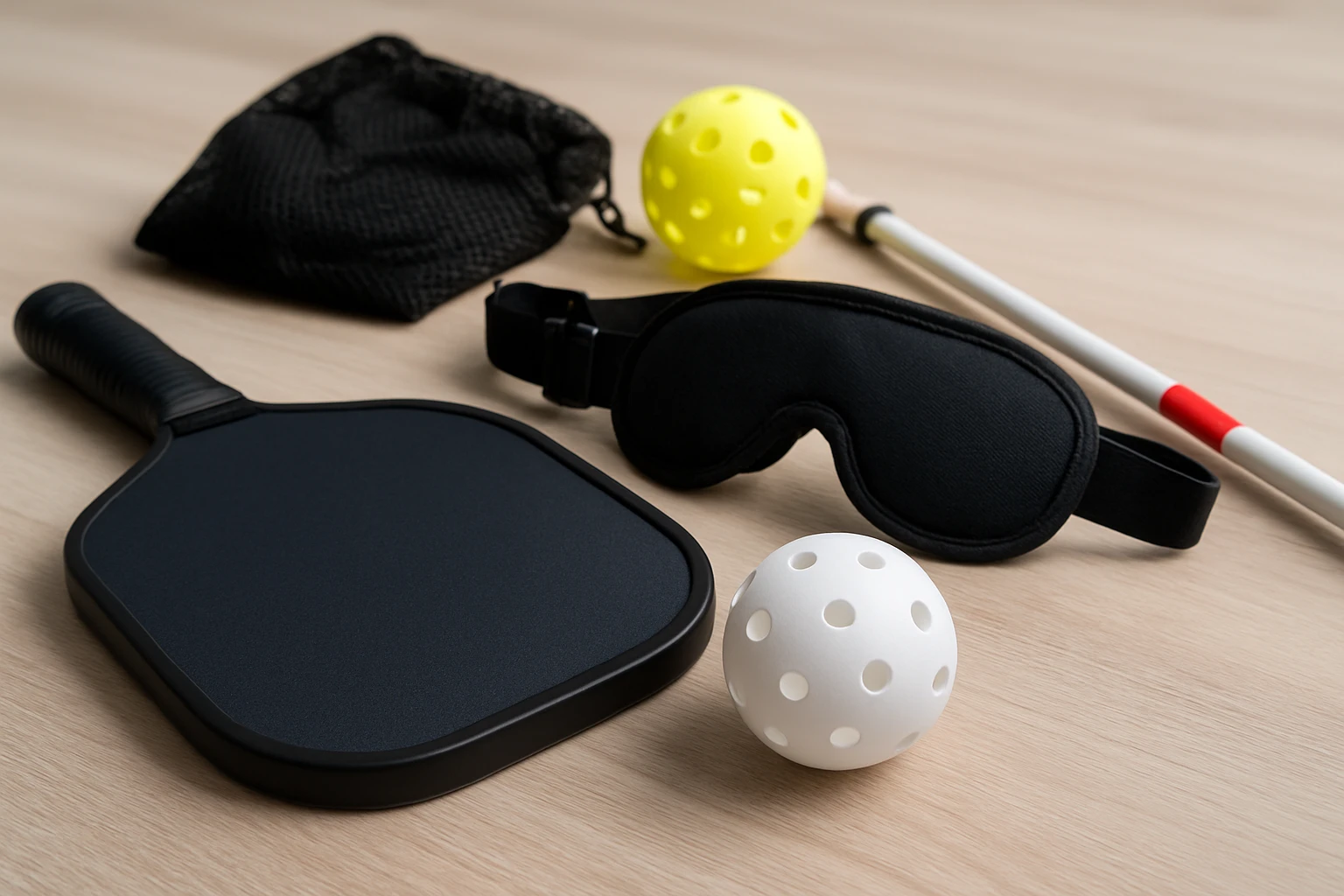
Lightweight paddles with large sweet spots reduce the need for precise impact placement, which is advantageous for players who cannot see the ball clearly. An ergonomic, sweat‑wicking grip minimizes slippage during extended rallies. The JoncAye Pickleball Paddle Set exemplifies these qualities, offering an 8 oz graphite‑fiberglass construction, a PP honeycomb core, and a cushioned grip that is both anti‑slip and comfortable.
- Weight: 8 oz for balanced power and control.
- Large sweet spot enhances forgiveness for off‑center hits.
- USAPA‑approved for tournament play.
4. Safety Accessories
Protective eyewear, wrist guards, and knee pads reduce the risk of injury during fast exchanges. While visual impairment reduces the likelihood of eye injury, protective eyewear remains advisable when playing in mixed‑ability groups. Vibration‑feedback wristbands can also alert a player to ball impact when auditory cues are insufficient.
- Impact‑resistant polycarbonate lenses.
- Adjustable wrist bands with low‑frequency vibration.
- Knee pads with breathable mesh lining.
Comparison and Selection Guide
The following table assists readers in evaluating adaptive gear based on key criteria such as weight, sound output, tactile feedback, and cost. The table includes the highlighted product and two generic categories for comparison.
| Feature | JoncAye Pickleball Paddle Set | Standard Audible Ball | Premium Tactile Tape |
|---|---|---|---|
| Weight (per paddle) | 8 oz | N/A | N/A |
| Core Material | PP honeycomb (quiet) | Rubber | Vinyl |
| USAPA Approval | Yes | Yes (size) | No (court marking) |
| Price (USD) | $56.90 | $12.99 (pack of 6) | $9.99 (roll) |
| Average Rating | 4.7/5 (6,267 reviews) | 4.3/5 (2,145 reviews) | 4.5/5 (1,032 reviews) |
| Key Benefit for Visually Impaired Players | Lightweight with large sweet spot reduces need for precise visual tracking. | Audible tone provides real‑time location data. | Physical lines enable tactile orientation on court. |
When selecting equipment, prioritize items that reduce reliance on visual cues while maintaining compliance with USAPA standards. The JoncAye set offers a comprehensive package that includes paddles, balls, and a carrying bag, making it a cost‑effective starting point for adaptive teams.
Best Practices and Tips for Visually Impaired Players
- Conduct a pre‑game equipment check to confirm that audible balls are fully charged and that tactile markings are securely attached.
- Practice grip rotation; hold the paddle with the palm facing upward to feel vibrations from the ball impact more clearly.
- Use a consistent stance and footwork pattern; muscle memory compensates for reduced visual input.
- Communicate loudly with partners about intended shots; clear verbal cues prevent collisions and enhance teamwork.
- Maintain a moderate court temperature; excessive heat can distort sound perception and affect ball bounce.
- Schedule regular maintenance of paddles and grips; replace worn grip tape to preserve anti‑slip performance.
- Engage a certified adaptive sports instructor for personalized technique refinement.
Frequently Asked Questions
- Can a visually impaired player use standard pickleball paddles? Yes, many standard paddles, such as the JoncAye Pickleball Paddle Set, feature lightweight construction and a large sweet spot that benefits players with limited vision.
- What volume level is recommended for audible balls? A minimum of 70 dB ensures that the tone is audible over ambient court noise while remaining comfortable for all participants.
- Are USAPA‑approved paddles required for adaptive play? While not mandatory for recreational sessions, USAPA approval guarantees that the paddle meets safety and performance standards for organized competition.
- How often should tactile court markings be inspected? Markings should be examined before each session; replace any worn or displaced tape to maintain reliable tactile feedback.
- What safety gear is essential for mixed‑ability games? Protective eyewear, wrist guards with vibration feedback, and knee pads are recommended to minimize injury risk.
- Can I customize the grip size on the JoncAye paddles? The paddles include four colored grip tapes that allow players to adjust grip thickness and replace worn sections easily.
- Where can I find instructional resources for adaptive pickleball? National adaptive sports organizations, local community centers, and the USA Pickleball website offer tutorials, coaching certification, and equipment guides.
Conclusion
Adaptive pickleball equipment empowers visually impaired athletes to experience the sport with confidence, safety, and enjoyment. By selecting lightweight paddles, audible balls, tactile court markings, and appropriate safety accessories, players can overcome visual barriers and focus on strategy and skill development. The JoncAye Pickleball Paddle Set provides a solid foundation for adaptive play, offering USAPA approval, a quiet honeycomb core, and ergonomic grips that align with the needs of this community. Continued education, regular equipment maintenance, and collaboration with trained coaches will further enhance the inclusive pickleball experience.
Products Featured in This Guide
JoncAye Pickleball Paddle Set
Price: $56.90
Rating: 4.7/5.0 (6,267 reviews)
Featured because it combines lightweight graphite‑fiberglass paddles, a quiet PP honeycomb core, USAPA approval, and ergonomic grips that support visually impaired players in achieving consistent contact and reduced vibration.