
How to Insure Your Backyard Pickleball Court and Equipment: The Complete Guide to Coverage, Liability & Costs
Introduction
Backyard pickleball has surged in popularity, turning many private driveways into vibrant courts where families and friends gather for recreation. This guide explains the essential insurance concepts, liability considerations, and cost factors that homeowners should evaluate before installing a permanent or temporary court. Readers will learn how to assess risk, select appropriate policies, and integrate reliable equipment that enhances safety and performance. By the end of this article, one will possess a clear roadmap for protecting both the court infrastructure and the participants who enjoy it.
The rise of community play has highlighted gaps in traditional homeowner policies, which often exclude sports equipment or limit liability for injuries occurring on personal property. Understanding these gaps is crucial to avoid unexpected out‑of‑pocket expenses after an accident. Moreover, the guide incorporates three highly rated Amazon products that complement an insured setup, ensuring durability and compliance with safety standards. The information presented balances theoretical insurance knowledge with practical recommendations for a well‑rounded protection strategy.
Background and Context
Homeowner’s insurance typically covers structural damage to the dwelling but may exclude accessories such as portable nets, paddles, and balls. In many cases, liability coverage is limited to incidents that occur on the insured premises, yet it may not extend to sports‑related injuries without an endorsement. Therefore, owners must verify whether their existing policy includes personal property coverage for sports equipment and whether it offers sufficient bodily injury liability.
Liability risk in pickleball stems from high‑velocity shots, rapid footwork, and occasional collisions with the net or surrounding objects. Courts situated near sidewalks or shared driveways increase the probability of third‑party claims if a ball leaves the playing area. Insurance carriers often evaluate factors such as court size, usage frequency, and safety measures when underwriting a policy. Understanding these underwriting criteria enables owners to present a lower‑risk profile and potentially secure better rates.
Another important element is the classification of equipment as “personal property” versus “business property.” If the court is used for organized tournaments or rented out for lessons, the activity may be considered a commercial venture, requiring commercial general liability (CGL) coverage. Conversely, casual family use generally qualifies for a personal umbrella policy that adds an extra layer of liability beyond the homeowner’s primary limit.
Finally, the cost of insurance varies widely based on location, court materials, and the presence of safety enhancements. Premiums can range from $150 to $500 annually for a basic endorsement, while comprehensive packages that include equipment replacement can exceed $1,000. These figures underscore the importance of a thorough cost‑benefit analysis before committing to a particular coverage level.
Understanding Insurance Needs for Your Pickleball Setup
Assessing insurance needs begins with a detailed inventory of all court components, including the surface material, net system, paddles, and balls. Each item should be assigned a replacement value, which insurers use to determine the appropriate personal property limit. For example, a high‑quality carbon‑fiber paddle such as the TENVINA T700SC Carbon Pickleball Paddle costs $59.99 and carries a 4.7‑star rating from 659 reviews, making it a valuable asset worth protecting.
Next, evaluate the potential for bodily injury claims. A typical backyard court measures 20 × 44 feet, and a stray ball can travel up to 70 mph, posing a risk to neighbors or passersby. Installing protective barriers, such as fencing or net extensions, can mitigate this risk and may qualify the homeowner for a discount on liability premiums. Insurers often request documentation of these safety measures during the underwriting process.
Owners should also consider whether they need an endorsement for “sports equipment” or a separate rider for “personal property.” The former adds explicit coverage for paddles, balls, and nets, while the latter expands the overall personal property limit, indirectly protecting the equipment. In many cases, a combination of both provides the most comprehensive protection, especially for high‑value items like the Selkirk Sport Pro S1 Outdoor Pickleballs, priced at $21.97 with a 4.6‑star rating from 2,772 reviews.
Finally, examine the need for a personal umbrella policy. This policy sits atop existing homeowner and auto policies, offering additional liability coverage up to $1 million or more. It is particularly valuable for households that host frequent tournaments or have multiple players of varying skill levels, as it protects against large claims that could exceed primary policy limits.
Liability Coverage Options
Standard homeowner policies typically provide $100,000 to $300,000 in bodily injury liability per incident. While this may suffice for minor injuries, severe cases involving fractures or head trauma can quickly surpass these limits. Adding a personal umbrella policy raises the ceiling dramatically, ensuring that a catastrophic claim does not jeopardize personal assets.
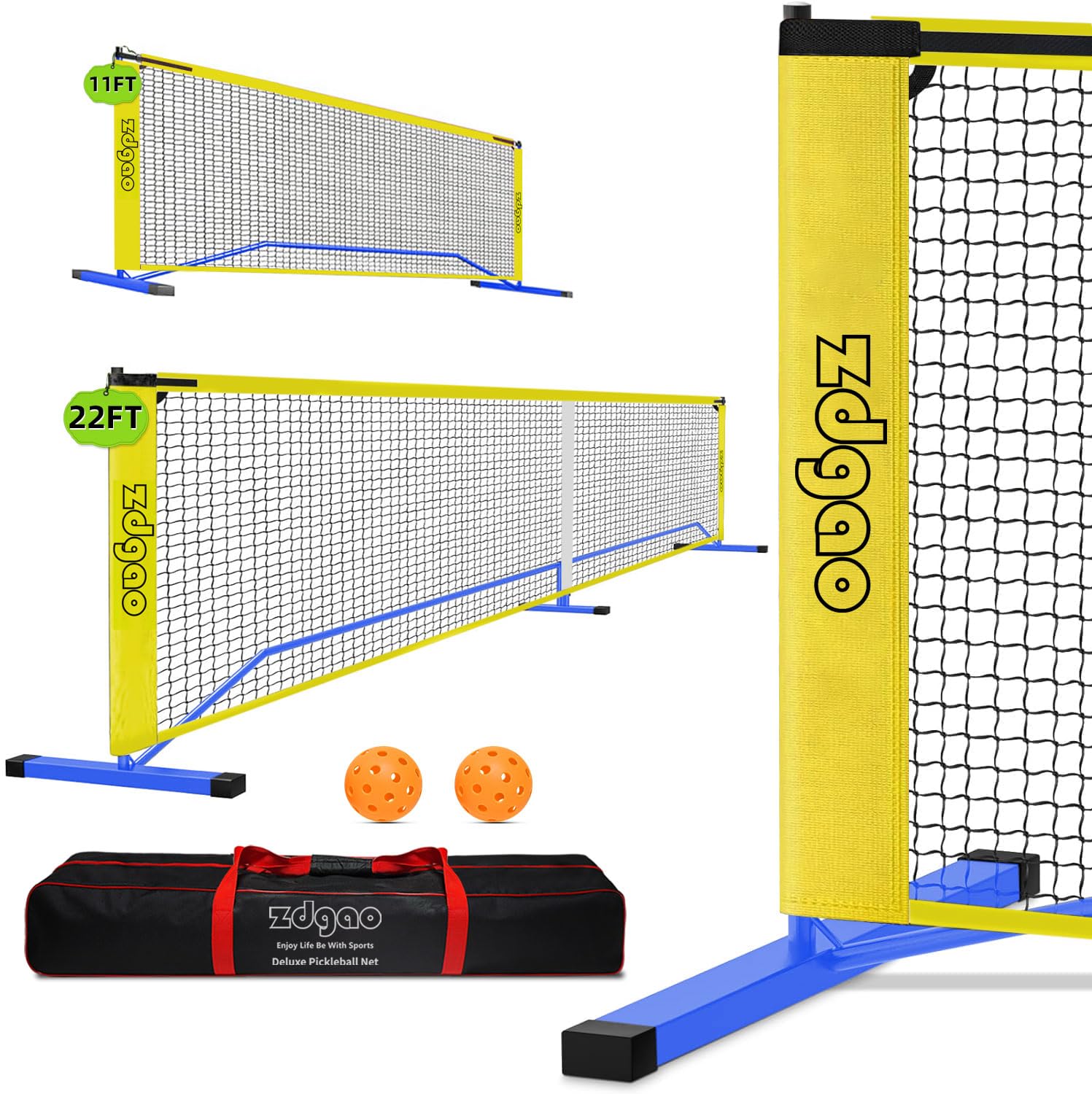
Another option is a “sports liability endorsement,” which specifically addresses injuries arising from organized or informal sports activities. This endorsement often includes coverage for legal defense costs, which can be substantial in liability lawsuits. Insurers may also require proof of safety measures, such as the use of a Zdgao 22FT Portable Pickleball Net that features a sturdy steel frame and reinforced 15‑ply netting, reducing the likelihood of net failure and stray balls.
When selecting a liability policy, compare the deductible, coverage limits, and exclusions. Some policies exclude claims arising from “reckless conduct” or “failure to maintain safe conditions,” which underscores the importance of regular equipment inspections. Maintaining the net’s tension straps and ensuring the paddle’s grip is secure are practical steps that align with insurer expectations.
It is advisable to obtain quotes from at least three carriers, focusing on those with experience underwriting sports‑related risks. Documenting the court’s dimensions, usage patterns, and safety enhancements in a written risk assessment can streamline the quoting process and demonstrate proactive risk management.
Property and Equipment Coverage
Property coverage protects the physical court surface, net system, paddles, and balls from damage caused by fire, theft, or severe weather. For a portable net like the Zdgao 22FT Portable Pickleball Net, a policy that includes “personal belongings” with a limit of at least $500 is advisable, given its $69.99 price and 4.5‑star rating from 687 reviews.
The paddle and ball inventory should be covered under a “sports equipment” rider. The TENVINA paddle’s carbon‑fiber construction and the Selkirk balls’ patented 38‑hole aerodynamic design make them premium items that warrant explicit coverage. Insurers may require receipts or proof of purchase, so keep digital copies of Amazon order confirmations for each product.
Consider adding a “theft protection” endorsement if the court is located in an area with a high incidence of break‑ins. This endorsement often covers the replacement cost of stolen equipment, which can be particularly valuable for high‑end paddles that may be targeted by thieves. Some policies also offer “accidental damage” coverage, which reimburses repairs for net tears or paddle cracks resulting from normal play.
Finally, evaluate the cost‑effectiveness of a “full replacement” versus “actual cash value” clause. Full replacement ensures the insurer pays the current market price of the item, whereas actual cash value deducts depreciation. For items with a short useful life, such as balls that lose bounce over time, full replacement provides better protection.
Comparison and Selection Guide
When choosing insurance, compare the following criteria across providers: coverage limits, deductible amounts, policy exclusions, and premium cost. A side‑by‑side table can simplify this comparison:
| Provider | Liability Limit | Property Limit | Deductible | Annual Premium |
|---|---|---|---|---|
| Insurer A | $300,000 | $1,000 | $500 | $180 |
| Insurer B | $500,000 | $2,000 | $1,000 | $250 |
| Insurer C (with sports endorsement) | $300,000 | $1,500 | $750 | $210 |
For homeowners who prioritize low premiums, Insurer A offers a modest liability limit suitable for casual play. However, families that host frequent matches may prefer Insurer B’s higher limits despite the increased cost. Insurer C provides a balanced approach with a sports endorsement that explicitly covers paddles and balls, making it an attractive option for those who have invested in premium equipment.
In addition to insurance, select equipment that inherently reduces risk. The TENVINA paddle’s carbon‑fiber surface provides a high friction coefficient, allowing for precise control and minimizing errant shots. The Selkirk Pro S1 balls feature a 38‑hole design that stabilizes flight, reducing the chance of unpredictable trajectories that could strike bystanders. Finally, the Zdgao net’s stable steel frame and reinforced netting prevent sagging, ensuring the ball stays within the designated play area.
Best Practices & Tips
Maintain a regular inspection schedule for all court components. Check net tension weekly, verify that the paddle grip remains secure, and replace balls that show signs of wear. Document each inspection in a logbook; insurers often request evidence of maintenance when processing claims.
Install clear signage indicating that the area is a private pickleball court and that visitors should exercise caution. This simple step can reduce liability by demonstrating that the owner has taken reasonable steps to warn others of potential hazards.
Consider purchasing a “loss of use” endorsement, which compensates for the inability to play on the court due to covered damage. While not essential for all owners, it provides peace of mind for those who rely on the court for regular exercise and social interaction.
Finally, educate all participants about safe play techniques, such as proper footwork, controlled swing speed, and the importance of wearing appropriate footwear. A well‑informed group reduces the likelihood of injuries, thereby lowering the frequency of liability claims.
Frequently Asked Questions
What does a homeowner’s policy typically cover for a backyard pickleball court?
Most standard policies cover the physical structure of the home and attached improvements but exclude sports equipment and liability for injuries sustained during play. Adding a sports endorsement or a personal umbrella policy fills these gaps.
Do I need separate insurance for my pickleball equipment?
While some policies include personal property coverage, high‑value items like carbon‑fiber paddles and premium balls often benefit from a dedicated rider that ensures full replacement value in case of loss or damage.
How can I lower my insurance premiums?
Implementing safety measures such as fencing, using a sturdy net like the Zdgao 22FT Portable Pickleball Net, and maintaining a clean inspection record can demonstrate reduced risk to insurers, leading to lower rates.
Is liability coverage required by law for a backyard court?
Liability coverage is not legally mandated for private courts, but most mortgage lenders require a minimum amount of liability protection as part of the homeowner’s policy. Additionally, an umbrella policy provides added financial security.
Can I claim insurance if my paddle breaks during a tournament?
If the paddle is covered under a sports equipment rider and the break results from a covered peril (e.g., fire, theft), the claim is valid. Damage from normal wear and tear is generally excluded.
What factors influence the cost of a pickleball insurance endorsement?
Key factors include the court’s size, frequency of use, presence of safety barriers, value of equipment, and the homeowner’s claim history. Higher liability limits and lower deductibles also raise premiums.
Do I need commercial insurance if I rent my court for lessons?
Yes, renting the court for paid instruction or organized events classifies the activity as a commercial venture, necessitating commercial general liability coverage in addition to property insurance.
Conclusion
Insuring a backyard pickleball court requires a blend of liability protection, property coverage, and proactive risk management. By understanding policy options, selecting appropriate endorsements, and integrating high‑quality equipment such as the TENVINA paddle, Selkirk balls, and Zdgao net, owners can safeguard both their investment and the well‑being of participants. Regular maintenance, clear signage, and education further reduce exposure to claims, creating a safe and enjoyable environment for all.
With the strategies outlined in this guide, one can confidently enjoy the sport while knowing that financial protection is in place should an unexpected incident arise. The combination of comprehensive insurance and reliable gear ensures that backyard pickleball remains a source of fun rather than a financial burden.
Products Featured in This Guide
TENVINA T700SC Carbon Pickleball Paddle
Price: $59.99
Rating: 4.7/5.0 (659 reviews)
Featured for its 4‑layer carbon‑fiber surface, thermoformed power edge, and precision grip length, making it a premium choice for both offensive and defensive play.
Selkirk Sport Pro S1 Outdoor Pickleballs
Price: $21.97
Rating: 4.6/5.0 (2,772 reviews)
Featured for its patented 38‑hole aerodynamic design, seamless rotomolding technology, and USAPA approval, providing consistent flight and durability.
Zdgao 22FT Portable Pickleball Net
Price: $69.99
Rating: 4.5/5.0 (687 reviews)
Featured for its 22‑ft regulation size, sturdy steel frame, reinforced 15‑ply netting, and easy‑setup design, making it ideal for both indoor and outdoor courts.