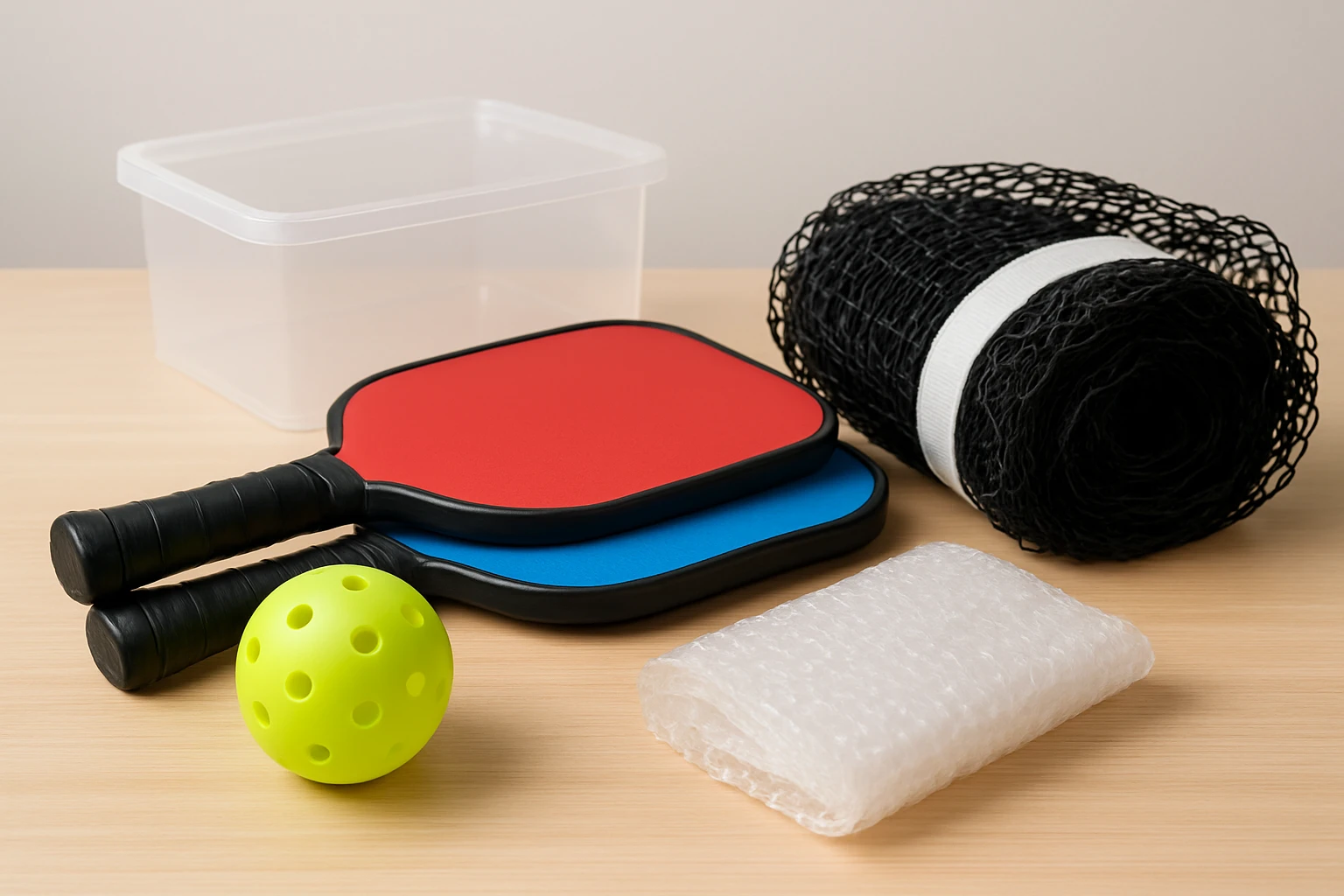
How to Store Pickleball Equipment Long-Term: The Ultimate Guide to Protecting Paddles, Balls, and Nets
Introduction
One of the most valuable aspects of a serious pickleball player is the longevity of the equipment. Proper storage safeguards paddles from warping, balls from loss of bounce, and nets from mildew. This guide explains the complete process from cleaning to periodic inspection, ensuring that each component remains in peak condition for many seasons. Readers will also discover practical tools that simplify each step without compromising performance.
What You'll Need
- Soft, lint‑free cleaning cloths
- Mild soap or specialized paddle cleaner
- Absorbent towels
- Silica gel packets or moisture‑absorbing pouches
- Climate‑controlled storage space (dry, temperature‑stable)
- SDLINR Pickleball Bag – a versatile backpack with shoe compartment and fence hook
- Athletico Pickleball Sling Bag – compact cross‑body design with padded compartments
Step 1: Clean All Equipment Thoroughly
Begin by removing surface dust and sweat from paddles, balls, and netting. Use a soft, lint‑free cloth dampened with a mixture of mild soap and water; avoid harsh chemicals that could degrade polymer surfaces. Gently wipe each paddle face, handle, and the net cord, ensuring that no residue remains. After cleaning, set the items on a clean towel to air dry before proceeding to the next step.
Why a dedicated cleaning tool matters: the SDLINR Pickleball Bag includes a spacious ventilated compartment that can hold cleaning cloths and a small bottle of paddle cleaner, keeping them organized and readily accessible during the cleaning phase. The bag is priced at $37.99, carries a 4.6‑star rating from 217 reviews, and features waterproof Oxford material that protects the cleaning supplies from spills.
Step 2: Dry Equipment Completely
Moisture is the primary cause of paddle delamination and net mildew. Place each paddle on an absorbent towel in a well‑ventilated area for at least two hours, rotating them to expose all surfaces. Balls should be left on a dry rack or a mesh tray to allow air circulation on every side. For the net, spread it out horizontally and use a dry towel to pat any damp spots, then let it hang freely until fully dry.
To accelerate drying while preventing damage, the Athletico Pickleball Sling Bag offers a padded main compartment that can hold a silica gel packet alongside the equipment, absorbing residual humidity. Priced at $39.99 with a 4.6‑star rating from 2,473 reviews, the sling bag’s breathable fabric and mesh bottle pocket allow additional airflow, reducing drying time.
Step 3: Organize and Pack for Long‑Term Storage
Once dry, arrange the equipment in a logical order that minimizes pressure on delicate surfaces. Place paddles in a dedicated padded sleeve or the bag’s interior paddle compartment, ensuring that the faces are protected by the thick padding. Store balls in a zip‑pered pocket or a separate mesh bag to avoid compression that could alter their bounce. Finally, coil the net loosely and place it in a large bottom compartment where it will not be crushed.
The SDLINR Pickleball Bag excels in this step because it fits 4 to 10 paddles, includes a ventilated shoe compartment that can double as a ball storage area, and provides a fence hook for hanging the bag on a court fence when not in use. Its ergonomic shoulder straps and padded back distribute weight evenly, preventing strain during transport to a storage location.
Step 4: Store in a Climate‑Controlled Environment
Choose a storage area that maintains a stable temperature between 60°F and 75°F and relative humidity below 60 percent. Basements, garages, or attics often experience extreme fluctuations that can warp paddles and degrade net fibers. If a climate‑controlled closet or spare room is unavailable, consider a portable dehumidifier or a sealed plastic container with moisture‑absorbing packets.
Both recommended bags are constructed from waterproof, rip‑resistant material, making them suitable for placement inside a sealed container without risk of water ingress. The Athletico Pickleball Sling Bag features a zippered felt‑lined tech pocket that can house a small hygrometer, allowing the owner to monitor humidity levels inside the bag.
Step 5: Conduct Periodic Inspection and Maintenance
Every three to six months, remove the equipment from storage and examine each component for signs of wear. Look for paddle edge chips, ball surface cracks, and net fraying. If any issue is detected, address it promptly by sanding paddle edges, replacing damaged balls, or repairing net knots. This proactive approach prevents minor problems from escalating into costly replacements.
During inspection, the convenient access points of the SDLINR Pickleball Bag and the Athletico Pickleball Sling Bag allow quick retrieval of each item without disturbing the entire arrangement, saving time and reducing the risk of accidental damage.
Tips & Pro Tips
- Never store paddles in direct sunlight; UV exposure can weaken polymer cores.
- Use a dedicated shoe compartment for indoor shoes only; outdoor shoes may introduce dirt that harms other gear.
- Consider adding a small lavender sachet to the bag to deter mold while maintaining a pleasant scent.
- Label each compartment with a removable tag to streamline future packing and unpacking.
Troubleshooting
Problem: Paddles develop a dull sound when struck.
Solution: This indicates surface oxidation. Lightly sand the face with a fine‑grit pad and reapply a protective paddle coating. Store the paddle in the padded compartment of the SDLINR Pickleball Bag to prevent future oxidation.
Problem: Balls lose bounce after months of storage.
Solution: Replace them with fresh balls. To extend lifespan, keep balls in the separate zippered pocket of the Athletico Pickleball Sling Bag, which limits compression and exposure to humidity.
Conclusion
Long‑term storage of pickleball equipment requires a disciplined approach that includes thorough cleaning, complete drying, organized packing, climate‑controlled placement, and regular inspection. By following the steps outlined in this guide, players can preserve the performance and appearance of their paddles, balls, and nets for many competitive seasons. The recommended SDLINR Pickleball Bag and Athletico Pickleball Sling Bag provide reliable, purpose‑built solutions that simplify each stage of the process.
Products Mentioned in This Guide
Frequently Asked Questions
How should I clean my pickleball paddles before long‑term storage?
Wipe paddles with a lint‑free cloth and mild soap or a paddle‑specific cleaner, then dry them thoroughly before packing.
What type of storage environment is best for pickleball equipment?
A dry, temperature‑stable space with low humidity, ideally using climate‑controlled rooms or closets.
Can silica gel packets help preserve pickleball balls and nets?
Yes, placing silica gel or moisture‑absorbing pouches in the storage bag prevents mildew and maintains ball bounce.
Which bag is recommended for organizing paddles, shoes, and nets?
The SDLINR Pickleball Bag offers a shoe compartment and fence hook, while the Athletico Sling Bag provides a compact cross‑body option.
How often should I inspect stored pickleball gear?
Perform a quick check every 3–4 months for signs of warping, moisture, or wear, and re‑dry or clean as needed.